The Sweet History of Southern Banana Pudding: From Trifles to Table Showstopper
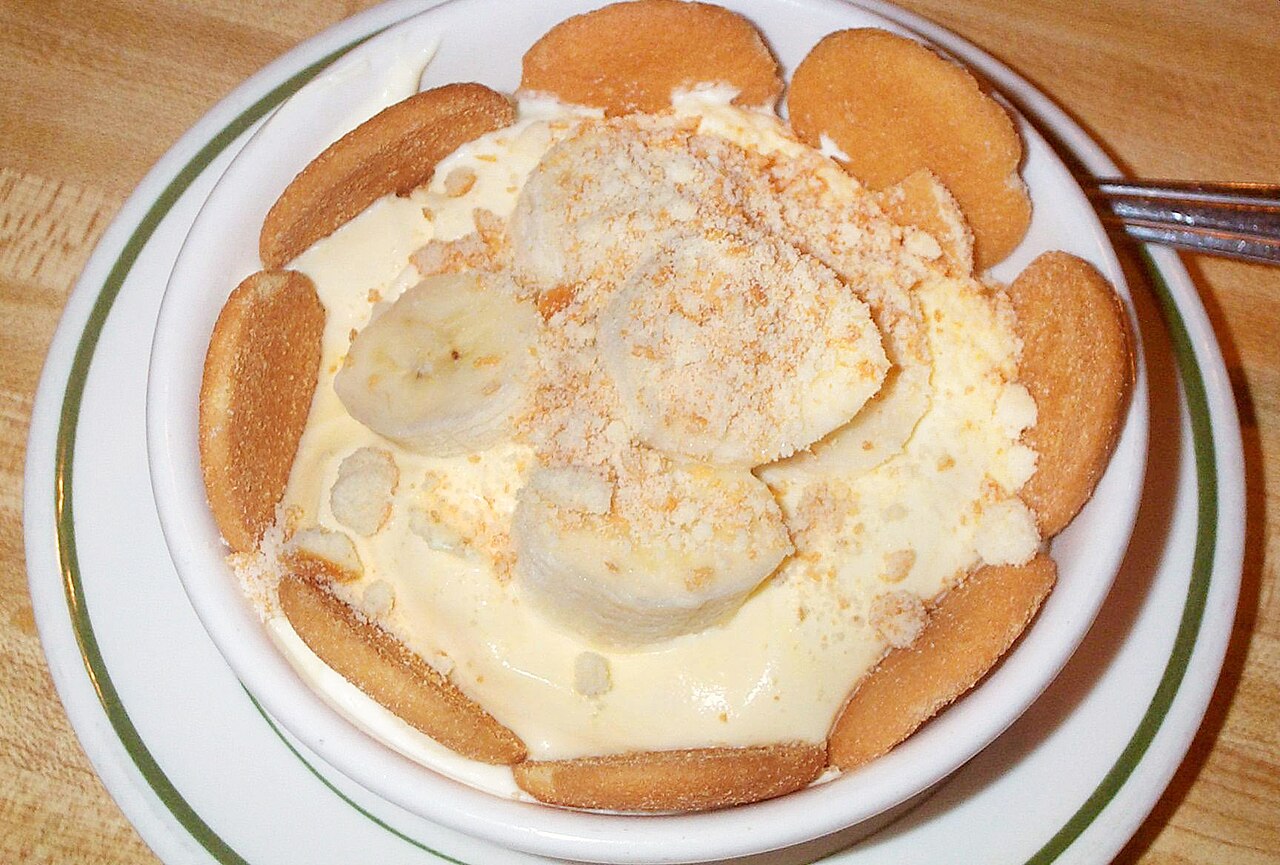
Few desserts evoke the warmth, comfort, and hospitality of the American South quite like a classic southern banana pudding. More than just a simple sweet treat, it's a culinary icon, a staple at family gatherings, church potlucks, and elegant holiday feasts alike. Its layers of creamy pudding, sweet bananas, crisp vanilla wafers, and a crown of fluffy meringue tell a delicious story, one rooted in both historical necessity and a deep appreciation for simple, wholesome flavors. But how did this beloved dessert evolve from humble beginnings into the celebrated showstopper it is today? Let's peel back the layers and discover the rich heritage behind every spoonful.
The Humble Beginnings: From European Trifles to Southern Tables
The journey of southern banana pudding begins not in a Southern kitchen, but rather in the grand dessert traditions of Europe. The earliest iterations of what we now recognize as banana pudding were part of a broader category of desserts known as "trifles." These elaborate, layered confections, often featuring sponge cake, fruit, custard, and cream, were immensely popular during the Gilded Age. They weren't just delightful to eat; their decorative appeal added a touch of elegance and visual splendor to the richly laden dinner tables of the era, from formal banquets to more casual affairs like pork barbecue dinners.
The widespread availability of bananas in the American South played a pivotal role in this culinary evolution. During this time, New Orleans emerged as a major port for tropical fruits. Thousands of pounds of bananas arrived annually from the Caribbean, Central, and South America on "banana boats." From there, they were loaded onto trains and distributed nationwide, bringing a taste of the tropics to kitchens far and wide – a exotic delight for many who might never glimpse a palm tree. This accessibility meant that an otherwise exotic fruit could be incorporated into everyday Southern cooking, eventually finding its perfect partner in the layered pudding. It was this confluence of European dessert traditions and readily available tropical fruit that set the stage for the creation of what would become the iconic southern banana pudding.
The Evolution of a Classic: Meringue vs. Whipped Cream and the Warm Debate
Over the decades, as southern banana pudding solidified its place in regional cuisine, certain characteristics became synonymous with "the real deal." One of the most enduring debates among aficionados centers on the topping: meringue or whipped cream? While many modern recipes might opt for the convenience and richness of whipped cream, traditionalists staunchly advocate for a lofty, glossy meringue. This isn't merely a preference; it's a nod to historical preparation. Meringue, often toasted to a golden perfection, provides a unique textural contrast and a subtle, caramelized sweetness that whipped cream simply can't replicate. It adds an airy lightness and, when baked, a delicate crispness that melts into the warm pudding beneath.
Another point of passionate discussion is the serving temperature. Ask a true Southerner, and they'll likely tell you that authentic southern banana pudding is best enjoyed warm, straight from the oven. While a chilled pudding is undoubtedly delicious and refreshing, especially on a hot summer day, there's an undeniable comfort and deeply satisfying quality to a warm bowl. The warmth enhances the creaminess of the pudding, softens the wafers just so, and allows the flavors of banana and vanilla to meld into a harmonious, comforting embrace. For many, this warm experience evokes childhood memories and the quintessential "comfort food" feeling that defines so much of Southern cooking.
For those curious about these traditional nuances and wanting to delve deeper into why meringue and warmth are so integral to the classic experience, you might find our related article,
Southern Banana Pudding: Meringue or Whipped Cream? Why Warm is the Classic Way, particularly enlightening. It explores these historical preferences and taste evolutions in more detail.
Crafting the Perfect Southern Banana Pudding: Ingredients and Techniques
At its heart, a truly exceptional southern banana pudding is built upon a few simple, yet crucial, components: vanilla wafers, ripe bananas, homemade vanilla pudding, and that signature meringue. While shortcut versions exist, opting for homemade elements truly elevates the dish from good to extraordinary.
1. **Homemade Vanilla Pudding:** This is the foundation. While instant pudding can save time, a scratch-made custard offers unparalleled richness, depth of flavor, and a silky-smooth texture that no boxed mix can rival. The process, involving egg yolks, sugar, milk, and vanilla, is surprisingly straightforward and incredibly rewarding. Some innovative recipes even bypass cooking altogether, employing a no-bake method thickened with whipped and sour cream. This approach not only yields a wonderfully rich and fluffy texture but also helps prevent the dreaded pudding separation that can sometimes occur with leftovers, ensuring your pudding remains pristine even after a day or two.
2. **Vanilla Wafers:** The classic choice is NILLA® Wafers. These simple, slightly crisp cookies are essential for providing textural contrast and absorbing the pudding's moisture, softening to a cake-like consistency as the pudding sets. They become an integral part of each spoonful, rather than just a base.
3. **Bananas:** The star of the show! Choose bananas that are ripe but not overly so – a vibrant yellow with perhaps a few freckles is ideal. Overly ripe bananas can become mushy and too sweet, while underripe ones lack flavor and can be starchy. Slicing them uniformly ensures even distribution and perfect bites.
4. **Meringue:** This is where skill and artistry come into play. A homemade meringue, often an Italian meringue for its stability and glossy sheen, provides the iconic cloud-like topping. Beating egg whites with sugar until stiff, glossy peaks form is a truly satisfying kitchen accomplishment. When toasted, either in the oven or with a kitchen blow torch, it develops a delicate crispness and a subtly toasted, almost marshmallow-like flavor that beautifully complements the creamy pudding below. This final touch is what truly transforms the pudding into a showstopper.
For those eager to master the art of layering and achieving that perfect meringue, our guide,
Homemade Southern Banana Pudding: Layering Meringue for the Ultimate Classic Dessert, provides step-by-step instructions and valuable tips.
Beyond the Basics: Tips for a Showstopping Southern Banana Pudding
Creating a truly memorable southern banana pudding goes beyond just following a recipe; it's about understanding the nuances and applying a few insider tips:
* **Timing is Key:** For the best texture, assemble the pudding a few hours before serving, or even the day before, especially if you prefer it chilled. This allows the wafers to soften and the flavors to meld. If serving warm with meringue, assemble, bake until the pudding is set, then add the meringue and toast just before serving.
* **Preventing Banana Browning:** To keep your sliced bananas looking fresh, you can toss them gently with a tiny amount of lemon juice or a fruit fresh solution. However, traditionalists might argue that a little browning is part of its charm and proof of its authenticity! Layering them quickly and covering them fully with pudding also helps.
* **The Meringue Finish:** If you're using meringue and desire that beautiful, slightly toasted flavor, don't be shy about using a kitchen blow torch. It gives a fantastic campfire marshmallow taste without overcooking the pudding. If you don't have one, a brief stint under the broiler (watch *very* carefully!) works too.
* **Serving Versatility:** Whether it's a weeknight treat, a Sunday supper centerpiece, or a dessert for the fanciest of holidays, southern banana pudding fits every occasion. It's robust enough for a casual backyard barbecue buffet yet elegant enough for a formal dinner.
* **Embrace Your Preference:** While we've discussed the traditional warm, meringue-topped version, don't hesitate to experiment. Many prefer the convenience and taste of whipped cream, or the refreshing coolness of a chilled pudding. The beauty of this dessert lies in its adaptability and its ability to bring joy in various forms. The journey of taste is personal, and discovering whether you prefer it warm or cold, with meringue or whipped cream, is part of the fun!
Conclusion
The sweet history of southern banana pudding is a testament to culinary evolution, resourcefulness, and the enduring power of comfort food. From its layered trifle ancestors and the bustling banana ports of New Orleans to its current status as an undeniable Southern classic, it has charmed generations. Whether you embrace the traditional warm, meringue-crowned version or prefer a chilled, whipped cream iteration, the essence of southern banana pudding remains the same: a celebration of simple ingredients coming together to create something truly extraordinary. If you’ve never experienced the real deal, homemade version, now is the perfect time to give it a shot. You might be surprised by how much you love it, and you'll certainly be adding a piece of delicious history to your own table.