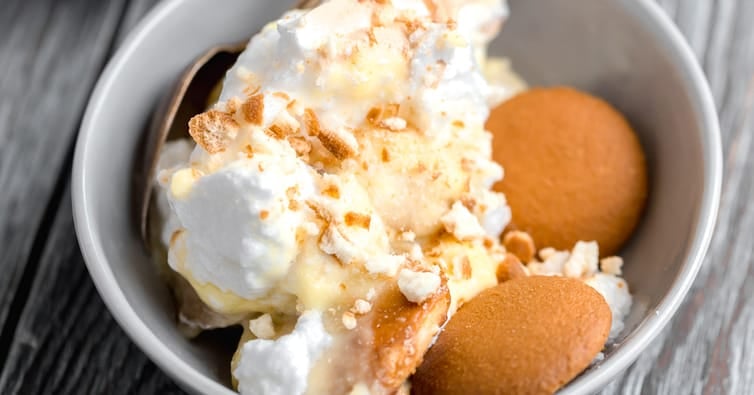
Homemade Southern Banana Pudding: Layering Meringue for the Ultimate Classic Dessert
There are few desserts that evoke the warmth and comfort of home quite like a classic bowl of
southern banana pudding. This isn't just a dessert; it's a culinary hug, a staple at family gatherings, Sunday suppers, and holiday feasts alike. While many variations exist, the true traditional rendition, featuring luscious layers of vanilla wafers, ripe bananas, rich homemade vanilla pudding, and a majestic crown of perfectly toasted meringue, stands as the quintessential Southern experience. It's a testament to simple ingredients coming together in harmonious, unforgettable flavor.
The Enduring Appeal of Southern Banana Pudding: A Culinary Legacy
The story of
southern banana pudding is deeply woven into the fabric of American culinary history, especially in the South. Its origins trace back to a category of layered desserts known as trifles, popular during the Gilded Age. These elegant creations were not only delicious but also served as decorative centerpieces on opulent dinner tables. The appeal of bananas themselves, a taste of the tropics, exploded during this era thanks to New Orleans becoming a major port. Thousands of pounds of this exotic fruit arrived annually from the Caribbean and Central and South America, then distributed nationwide, making them accessible even in landlocked kitchens.
For generations, families across the South grew up with this dessert, often finding it at the heart of community gatherings—from lively barbecue buffets in the Carolinas to comforting church potlucks. It's a dish that transcends mere ingredients, carrying with it memories of shared meals and cherished moments. To truly appreciate its journey from humble origins to a beloved icon, delve deeper into
The Sweet History of Southern Banana Pudding: From Trifles to Table Showstopper.
Meringue vs. Whipped Cream: Embracing the Traditional Topping
Perhaps no aspect of
southern banana pudding sparks more debate than its topping: meringue or whipped cream? While whipped cream offers a delightful richness and is often seen in more modern or expedited recipes, purists will argue that true classic
southern banana pudding demands a sky-high pile of homemade meringue. This distinction isn't just about taste; it’s about tradition.
For many, including seasoned home cooks, the journey towards appreciating meringue has been an evolution. Initially, the familiar cold, creamy embrace of whipped cream might seem more appealing. However, experiencing the "real deal" — a generous layer of glossy, stiff-peaked meringue, baked to a subtle golden perfection — often leads to a delicious revelation. The meringue introduces an incredible airiness, a delicate chew, and, when lightly toasted, a subtle caramelized flavor reminiscent of campfire marshmallows. This toasted sweetness provides a beautiful counterpoint to the creamy pudding and sweet bananas, adding a complexity that whipped cream, while lovely, simply can't replicate. It transforms the dessert into something truly special, offering a textural contrast that is both elegant and deeply satisfying. For a deeper dive into this classic debate, check out
Southern Banana Pudding: Meringue or Whipped Cream? Why Warm is the Classic Way.
Crafting the Ultimate Homemade Southern Banana Pudding: A Layer-by-Layer Guide
Creating a truly magnificent
homemade southern banana pudding is a labor of love that rewards with every spoonful. While shortcuts exist, embracing the homemade components elevates this dessert from good to absolutely extraordinary.
Here’s a breakdown of the essential layers:
*
The Pudding Base: The heart of any great banana pudding is, of course, the pudding itself. For a classic, rich flavor, a homemade vanilla custard is paramount. This typically involves tempering egg yolks with sugar, cornstarch, milk, and vanilla extract, then cooking it gently until thick and creamy. The effort far surpasses any boxed mix, offering a depth of flavor that is unparalleled.
*
Tip: Whisk constantly while cooking to prevent scorching and ensure a smooth, lump-free consistency. Adding a pinch of salt can also enhance the sweetness and overall flavor.
*
Vanilla Wafers: NILLA® Wafers are the undisputed champions here. Their crisp texture and mild vanilla flavor are the perfect complement, softening just enough when absorbing the pudding without dissolving completely. They provide a delightful textural contrast.
*
Tip: Don't be afraid to break some wafers to fill in gaps in your layers, ensuring every bite gets a taste.
*
Fresh Sliced Bananas: The star fruit! Choose ripe but firm bananas – not too green (lacking sweetness) and not too brown (too soft and watery). Slice them evenly to ensure consistent layering.
*
Tip: To minimize browning, you can gently toss banana slices in a tiny amount of lemon juice or even pineapple juice, but for traditional pudding that will be eaten relatively quickly, it's often skipped to avoid altering the flavor.
*
The Meringue Topping: This is where the magic happens. A truly glorious meringue starts with egg whites, sugar, and often a touch of cream of tartar for stability. Beating them until they form stiff, glossy peaks is a kitchen accomplishment that signals true mastery.
*
Alternative (No-Bake/Make-Ahead): For those who prefer a no-bake, make-ahead version, some recipes feature a unique pudding thickened by whipped and sour cream. This method can add a rich, fluffy texture and help prevent the dreaded pudding separation that can occur with leftovers. When pairing this with a meringue, a silky Italian meringue (made with hot sugar syrup) is often preferred, as it's more stable and can be toasted with a blow torch for that desired campfire marshmallow flavor without needing to bake the entire dish.
Serving It Up: Warm or Chilled? The True Southern Experience
While personal preference often dictates whether one enjoys their banana pudding warm or chilled, the traditional Southern way is undoubtedly to serve it warm. There's an undeniable comfort in digging into a bowl of warm, creamy pudding, where the bananas are soft, the wafers are tender, and the meringue offers that subtle toasty bite. It transforms the dessert into pure, unadulterated comfort food—a feeling that resonates deeply with its historical roots as a centerpiece of hospitable Southern tables.
Many who initially prefer it chilled find themselves pleasantly surprised by the warm experience. The warmth seems to amplify the vanilla notes and the sweetness of the bananas, while the meringue's delicate crust adds a fascinating textural dimension that is unique to the warm serving. However, enjoying it chilled still offers a delightful experience, especially on a hot summer day. The beauty of this dessert lies in its versatility and its ability to please, no matter the temperature.
Tips for Achieving Meringue Perfection and Beyond
Creating the perfect meringue for your
southern banana pudding might seem daunting, but with a few tips, you can achieve those magnificent, glossy peaks:
1.
Clean Equipment is Key: Ensure your mixing bowl (preferably glass or metal) and beaters are absolutely free of grease or egg yolk, as any trace of fat can prevent egg whites from whipping properly.
2.
Room Temperature Egg Whites: Egg whites separate more easily and whip to a higher volume when at room temperature.
3.
Gradual Sugar Addition: Add sugar slowly, one spoonful at a time, once the egg whites have reached soft peaks. This allows the sugar to dissolve properly, resulting in a stable, glossy meringue.
4.
Whip to Stiff Peaks: Continue whipping until the meringue holds firm, upright peaks when the beater is lifted. It should be glossy and smooth.
5.
Bake or Torch: Once the meringue is piled high on your pudding, bake it in a preheated oven (around 350°F / 175°C) for 8-10 minutes until lightly golden, or use a kitchen torch for a more controlled, toasted finish. This step not only adds flavor but also sets the meringue, preventing it from weeping.
6.
Assembling Your Layers: Begin with a layer of wafers, followed by bananas, then a generous pour of warm pudding. Repeat these layers, ensuring each layer is even. Finish with your stunning meringue.
7.
Make-Ahead Considerations: While best enjoyed fresh, banana pudding can be assembled a few hours in advance. If serving warm, bake the meringue just before serving. If you prefer it chilled, allow it to cool completely before refrigerating. Be mindful that bananas can brown over time, so if making far in advance, choose slightly less ripe bananas or apply a light citrus wash.
Conclusion
The
homemade southern banana pudding, crowned with its iconic meringue, is more than just a dessert; it's a celebration of tradition, comfort, and simple, delicious ingredients. From its historical roots as a decorative trifle to its status as a beloved staple on countless Southern tables, its enduring appeal is undeniable. Whether you prefer it warm, fresh from the oven, or delightfully chilled, taking the time to craft this classic with homemade pudding and a glorious meringue will undoubtedly elevate your dining experience. So, gather your ingredients, embark on this culinary journey, and discover the truly ultimate classic dessert that continues to charm palates and create lasting memories. Give this "real deal" a shot—you might just find yourself surprised by how much you love it!