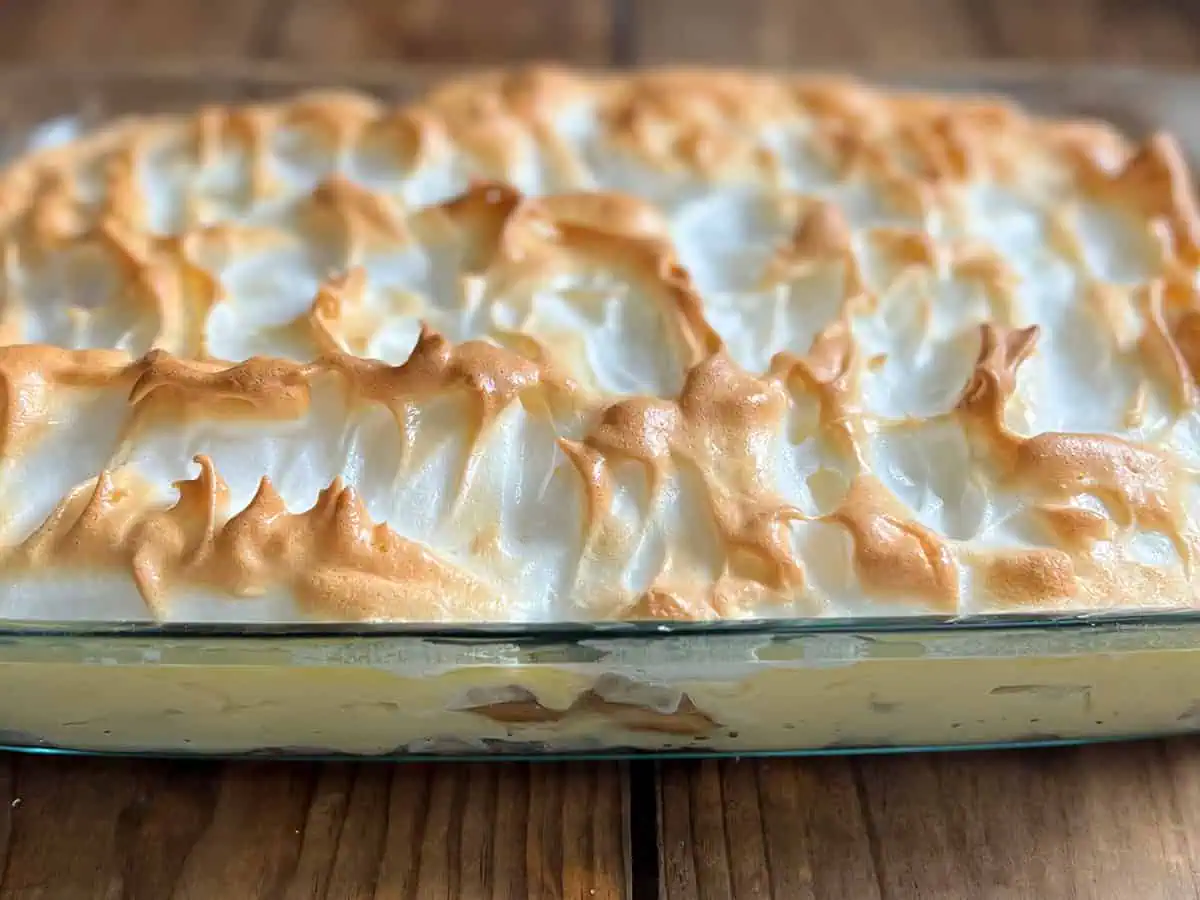
Southern Banana Pudding: Meringue or Whipped Cream? Why Warm is the Classic Way
Few desserts evoke the warmth, comfort, and hospitality of the American South quite like a generous serving of
southern banana pudding. This iconic dish, with its luscious layers of creamy pudding, sweet bananas, and vanilla wafers, is a staple at family gatherings, Sunday suppers, and holiday feasts. Yet, for all its widespread adoration, two fundamental questions often spark passionate debate among enthusiasts: Should it be crowned with airy meringue or silky whipped cream? And is the "true" Southern way to serve it warm or chilled? Let's delve into the delicious heart of this beloved classic.
The Heart of Southern Banana Pudding: A Symphony of Layers
At its core, a traditional
southern banana pudding is a beautifully orchestrated symphony of simple, wholesome ingredients. The foundation typically consists of crisp vanilla wafers, often Nilla wafers, which soften as they absorb the rich, homemade vanilla pudding. Next come perfectly ripe, thinly sliced bananas, adding natural sweetness and a delicate texture. Finally, the homemade vanilla pudding itself, a rich, custardy creation made from scratch, binds everything together with its comforting warmth and flavor.
Historically, banana pudding falls into a category of desserts known as "trifles." These layered puddings were popular during the Gilded Age, not just for their delectable taste, but also for the decorative flair they added to lavish dinner tables. Bananas themselves became a sensation during this era, arriving by "banana boats" into ports like New Orleans from the Caribbean and Central and South America, bringing a taste of the tropics to kitchens nationwide. The evolution from these early trifles to the specific form we know and love as
The Sweet History of Southern Banana Pudding: From Trifles to Table Showstopper is a fascinating journey that underscores its enduring appeal. Each layer plays a crucial role, but it's the interplay between them that transforms humble ingredients into a truly unforgettable dessert.
Meringue vs. Whipped Cream: A Topping Tug-of-War
When it comes to the topping, the choice between meringue and whipped cream is where loyalties are often fiercely divided. Both offer distinct textural and flavor profiles, transforming the pudding in their own unique ways.
The Case for Classic Meringue
For many purists,
meringue is the only acceptable crowning glory for a truly authentic
southern banana pudding. Made from whipped egg whites and sugar, baked to form stiff, glossy peaks, meringue provides an ethereal airiness and a subtle, toasted sweetness that is utterly unique. When kissed by heat – either from a warm oven or a kitchen torch – it develops a delicate crust and a melt-in-your-mouth interior, often described as tasting like toasted marshmallows.
The textural contrast meringue offers is unparalleled. Its crisp exterior yields to a chewy, cloud-like interior, providing a delightful counterpoint to the soft pudding, wafers, and bananas below. Developing a perfectly glossy, stiff-peaked meringue is often seen as a proud kitchen accomplishment, transforming a simple dessert into an elegant showstopper. If you've ever experimented with desserts like pavlova or lemon meringue pie bars, you'll appreciate the distinct magic meringue brings. It adds a sophisticated touch, elevating the humble banana pudding to new culinary heights.
Pro Tip for Perfect Meringue: Ensure your mixing bowl and whisk are impeccably clean and grease-free. Use egg whites at room temperature for maximum volume, and add sugar gradually for the most stable and glossy peaks. A pinch of cream of tartar can also help stabilize the meringue.
The Allure of Whipped Cream
On the other side of the debate,
whipped cream holds a powerful appeal for many, offering a creamy, rich, and often more indulgent finish. Homemade whipped cream, made from heavy cream, a touch of sugar, and vanilla, provides a velvety smooth texture that blends seamlessly with the pudding. It’s a less labor-intensive option than meringue, making it a popular choice for quick weeknight desserts or when a simpler, more immediate gratification is desired.
Whipped cream often pairs wonderfully with no-bake banana pudding recipes, especially those thickened with whipped and sour cream, which lend an extra layer of richness and a fluffy texture that prevents the dreaded pudding separation. While perhaps not the "traditional" choice in the strictest sense of historical recipes, whipped cream has become a beloved variation, especially among those who prefer their pudding chilled and appreciate its straightforward, unadorned creaminess. It delivers a familiar, comforting sweetness without the added textural complexity or the toasty notes of meringue.
Ultimately, both toppings are delicious in their own right. However, for a truly classic, old-fashioned
southern banana pudding, the light, airy, and subtly toasted meringue holds the crown for its traditional elegance and the unique textural experience it provides.
Warm or Chilled? Unpacking the Southern Preference
Perhaps an even more contentious point than the topping is the serving temperature. While many desserts are unequivocally served warm or cold,
southern banana pudding has a foot in both camps, yet with a distinct regional leaning.
The mantra among Southern culinary traditionalists is clear: the true
southern banana pudding is meant to be eaten *warm*. This preference isn't merely arbitrary; it’s rooted in a profound understanding of comfort and flavor. When served warm, the homemade vanilla pudding is incredibly soft and custardy, its flavors heightened by the gentle heat. The vanilla wafers, instead of remaining crisp, soften beautifully, almost dissolving into the pudding, creating a melt-in-your-mouth consistency that is incredibly satisfying. The sliced bananas, too, warm through, releasing their sweetness and becoming even more tender.
There’s something uniquely comforting about digging into a bowl of warm banana pudding. It’s the quintessential comfort food, reminiscent of home, hearth, and hospitality. The slight warmth allows the various components to meld together more harmoniously, creating a cohesive, deeply satisfying experience. Even those who initially prefer their pudding chilled often find themselves pleasantly surprised by the deliciousness of a warm bowl, noting its satisfying, almost dessert-soup-like quality. The meringue, when warm, takes on an even softer, more marshmallow-like texture, contrasting beautifully with the warm pudding below.
Conversely, serving the pudding *chilled* offers a different, yet equally appealing, experience. When cold, the pudding sets more firmly, providing distinct layers and a refreshing quality, especially delightful in warmer climates. The wafers retain a bit more of their bite, and the overall texture is more structured. For make-ahead purposes, chilling is often more practical, allowing the pudding to set completely and making it easier to transport and serve. While a chilled banana pudding can be wonderful, it arguably loses some of the nuanced comfort and aromatic depth that defines the classic warm rendition.
Actionable Tip: If you've never experienced the real deal warm
southern banana pudding with meringue, make it your mission to try it. Assemble your pudding, top with meringue, and give it a quick bake or torch before serving. You might just discover a new favorite way to enjoy this timeless dessert.
Beyond the Basics: Tips for Your Best Southern Banana Pudding
Mastering
southern banana pudding involves a few key considerations that can elevate your dessert from good to unforgettable.
*
Choose Your Bananas Wisely: Opt for ripe, but still firm, bananas. They should have a few brown spots, indicating sweetness, but not be overly soft or mushy. Overripe bananas can quickly turn to mush in the pudding and become overly sweet. While Cavendish bananas are common, experimenting with less common varieties can offer deeper flavor notes.
*
Embrace Homemade Pudding: While instant pudding mixes offer convenience, a truly exceptional
southern banana pudding demands homemade vanilla pudding. The rich, custard-like texture and deep vanilla flavor of a cooked-from-scratch pudding are unparalleled. For those seeking alternatives, some recipes use a no-cook pudding base thickened with whipped cream and sour cream for an incredibly rich and fluffy result.
*
The Wafer Factor: Nilla wafers are iconic for a reason – their delicate vanilla flavor and crisp texture are perfect. However, feel free to experiment with other vanilla cookies or shortbread for a slightly different take. The key is their ability to soften and absorb the pudding without completely disintegrating.
*
Layering for Success: Thoughtful layering is crucial. Start with wafers, then bananas, then pudding, repeating until your dish is full. This ensures an even distribution of flavors and textures in every spoonful. When assembling, consider brushing bananas with a tiny bit of lemon juice to prevent excessive browning, especially if making ahead.
*
When to Top: If serving warm with meringue, it's best to add and bake/torch the meringue relatively close to serving time for optimal texture. If using whipped cream, you can top it closer to serving or even hours ahead if chilling, but for the freshest taste and appearance, add it within a few hours.
For a comprehensive guide on creating this layered masterpiece, check out
Homemade Southern Banana Pudding: Layering Meringue for the Ultimate Classic Dessert.
Conclusion
The debate over meringue or whipped cream, warm or chilled, ultimately highlights the deep affection and tradition surrounding
southern banana pudding. While personal preference will always play a role, the classic Southern way, with its towering meringue and comforting warmth, offers a truly unique and deeply satisfying experience. It’s a dish that tells a story of hospitality, heritage, and the simple joy of a truly delicious homemade dessert. So, the next time you find yourself with ripe bananas and a craving for something sweet, we encourage you to try the authentic Southern method. You might just be surprised by how much you love digging into a warm bowl of this timeless comfort food.